
Shrink Wrap or Boat Cover? How to Choose the Best Protection for Your Boat During Storage
Shrink Wrap or Boat Cover? How to Choose the Best Protection for Your Boat During Storage
Alicia Aguirre
July 20th, 2026
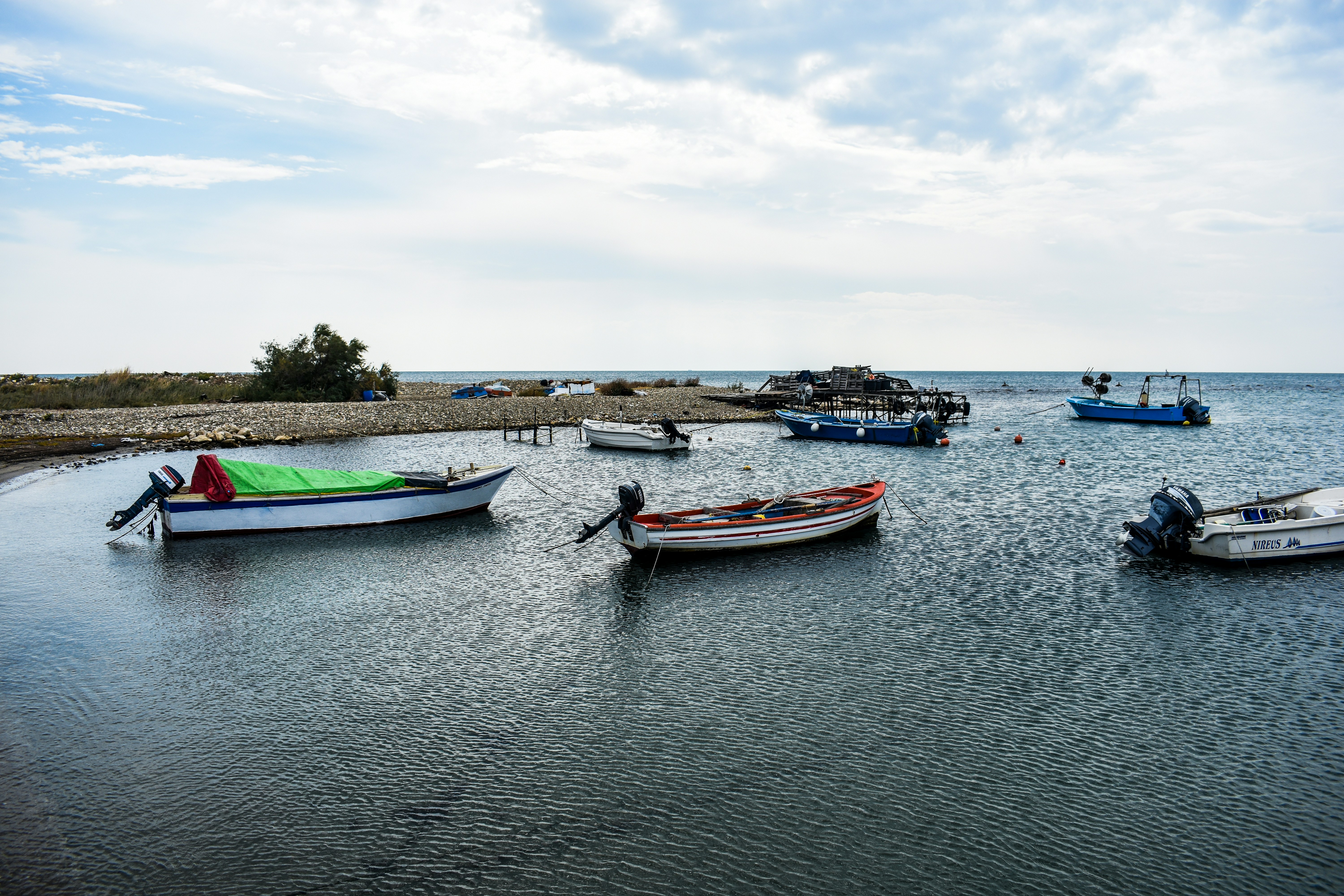
Owning a boat means enjoying countless days on the water, but every boating season eventually comes to an end. Once your boat is pulled from the lake, one important question remains: what is the best way to protect it until you're ready to launch again? Many owners debate whether shrink wrap or a traditional boat cover offers better protection, and the truth is that both have distinct advantages depending on how you plan to store your boat. If you're looking into storage options in Houghton Lake, choosing the right covering is an excellent first step toward protecting your investment. A quality storage facility combined with proper boat protection helps preserve your vessel's appearance, mechanical components, upholstery, and overall value throughout the offseason.
For residents and seasonal visitors alike, Houghton Lake is one of Michigan's premier boating destinations. As the state's largest inland lake, it attracts anglers, water sports enthusiasts, and families throughout the year. Between boating on Houghton Lake, exploring nearby trails, and enjoying the area's parks and public recreation, many owners invest heavily in their boats, making proper storage an important part of long-term ownership. The Michigan Department of Natural Resources provides excellent information about boating opportunities and recreation throughout the area.
Key Points for Readers Short on Time
- Shrink wrap creates a tight, weather-resistant barrier that works exceptionally well for long-term seasonal storage.
- Boat covers cost more initially but can be reused for many years, making them a smart long-term investment.
- If you plan to access your boat regularly during storage, a reusable cover is usually the more convenient option.
- Pairing either solution with secure storage offers the highest level of protection for your boat.
- The best choice depends on your budget, storage duration, and how often you expect to use your boat.
Why Your Boat Needs More Protection Than You Might Think
Many boat owners assume that parking their boat beside the garage or under a simple tarp is enough to keep it safe until next season. Unfortunately, that approach often creates more problems than it prevents. Dirt, dust, insects, leaves, rodents, bird droppings, tree sap, and prolonged ultraviolet exposure can slowly damage both the exterior and interior of your boat. Even if your boat remains structurally sound, cosmetic damage alone can reduce its resale value and increase maintenance costs.
Moisture is another concern that many owners underestimate. Water that finds its way beneath an inadequate cover can become trapped for weeks or even months. Over time, this encourages mold, mildew, unpleasant odors, stained upholstery, and corrosion on metal components. Because boats contain numerous enclosed spaces, including storage compartments, seating, electronics, and flooring, protecting them from prolonged moisture exposure becomes especially important. Fortunately, selecting the right cover dramatically reduces these risks. While both shrink wrap and traditional boat covers accomplish this goal, they do so in different ways. Understanding those differences makes it much easier to determine which option fits your storage plans.
Understanding Boat Shrink Wrap
Boat shrink wrap is a thick plastic material that is professionally installed around the boat before being heated. As heat is applied, the plastic contracts until it forms a smooth, tightly fitted shell around the vessel. The result is a custom protective barrier that seals out most outside contaminants while remaining securely attached throughout the storage season. Modern shrink wrap systems also include strategically placed vents that allow limited airflow. These vents help reduce excessive condensation without sacrificing the overall protective seal. Because of this design, shrink wrap has become especially popular throughout northern states where boats often remain in storage for several months. Although many people associate shrink wrap with winterization, it is also used when transporting boats long distances or storing them for extended periods without planned access.
The Advantages of Shrink Wrapping Your Boat
There is a reason shrink wrapping has become so common among marinas and storage facilities. It offers one of the highest levels of protection available for seasonal storage. Perhaps its greatest strength is the tight seal it creates. Unlike loose-fitting covers that may flap in the wind or collect standing water, shrink wrap conforms closely to the shape of the boat. This minimizes movement and significantly reduces opportunities for debris or moisture to work underneath the covering. Another major benefit is cleanliness. Boats that spend months under properly installed shrink wrap typically require far less cleaning before launching the following season. Dust, leaves, insects, and animal droppings remain outside instead of accumulating inside the cockpit or on upholstered seating.
Shrink wrap also provides outstanding ultraviolet protection. Constant sunlight slowly fades paint, decals, gel coat finishes, dashboards, and vinyl seating. Blocking much of that exposure helps preserve the appearance of the boat while reducing premature aging of materials. Finally, shrink wrap offers impressive protection against pests. Since the material seals tightly around the hull, rodents and insects have far fewer entry points than they would with many traditional covers.
The Drawbacks of Shrink Wrap
Despite its excellent protection, shrink wrap is not necessarily the perfect solution for every boat owner. One of the most significant disadvantages is that it is generally intended for one season of use. Once it has been cut away, it cannot realistically be reused. As a result, owners who shrink-wrap their boats every year should expect annual installation costs that gradually exceed the price of purchasing a high-quality reusable cover. Accessibility presents another challenge. If you decide to inspect the engine, recharge batteries, retrieve equipment, or take your boat out for an unexpected trip, you will need to cut through the shrink wrap. While repair zippers and access panels are sometimes installed, they rarely provide the same convenience as simply removing a fabric cover. There are also environmental considerations. Traditional shrink wrap generates plastic waste every season, although many marinas and recycling programs now accept used marine shrink wrap for recycling rather than disposal. Even so, reusable covers generally have a smaller environmental footprint over the long term.
Understanding Traditional Boat Covers
Unlike shrink wrap, boat covers are designed for repeated use over many years. They are typically manufactured from durable marine-grade fabrics that resist water, sunlight, mildew, and everyday wear while remaining breathable enough to reduce trapped moisture. Boat covers are available in two primary styles. Universal covers fit a range of boat sizes, while custom-fitted covers are designed specifically for individual makes and models. Although custom covers generally cost more, they provide better protection because they fit more securely and leave fewer gaps where debris or moisture can enter. Quality marine fabrics have improved considerably over the years. Premium materials combine water resistance with ventilation, helping to balance protection and airflow more effectively than older cover designs.
Why Many Owners Prefer Boat Covers
For boat owners who use their boats throughout much of the year, reusable covers offer exceptional flexibility. Removing the cover takes only a few minutes, allowing easy access whenever maintenance is needed. Whether you're checking batteries, cleaning upholstery, replacing electronics, or preparing for an early fishing trip, you can uncover the boat and secure it again without damaging the covering. Long-term value is another major advantage. Although purchasing a quality marine cover requires a larger upfront investment, many premium covers last between five and ten years when properly maintained. During that time, they often cost less overall than paying for annual shrink-wrapping services. Boat covers are also the more environmentally responsible option because they eliminate yearly plastic waste. With regular cleaning and occasional waterproofing treatments, many covers continue performing well season after season.
The Limitations of Boat Covers
While boat covers offer impressive versatility, they are only as effective as their fit and quality. Poorly fitting covers can sag, allowing rainwater or debris to collect in low spots. Over time, accumulated weight stretches the fabric and increases wear. Loose covers may also flap in the wind, causing abrasion against the boat's finish while creating openings where insects or small animals can enter. Additionally, boat covers require occasional maintenance. Dirt should be removed regularly, straps inspected for wear, and tears repaired before they become larger problems. If the cover itself is stored while damp, mildew can develop on the fabric, reducing both appearance and effectiveness. For these reasons, purchasing a well-fitted marine cover almost always provides better long-term results than choosing the least expensive option available.
When Shrink Wrap Is the Better Choice
Shrink wrap is usually ideal when your boat will remain untouched for several consecutive months. If you've already completed winterization, removed valuables, disconnected batteries, and do not expect to access the boat until spring, shrink wrap offers exceptional peace of mind. It is also an excellent option for owners transporting boats over long distances before storage. The tightly secured plastic helps prevent road grime, insects, and debris from damaging the boat during travel. Likewise, owners storing valuable wake boats, pontoons, or fishing boats for the entire offseason often appreciate the nearly sealed barrier shrink wrap provides.
When a Boat Cover Makes More Sense
On the other hand, if your boat remains in use during portions of the offseason or you perform maintenance throughout the year, a reusable cover is generally the more practical choice. Many Houghton Lake boat owners enjoy fishing well into the shoulder seasons whenever lake conditions allow. Having a reusable cover makes those occasional outings much easier because preparing the boat requires only a few minutes instead of removing an entire shrink wrap enclosure. A reusable cover is also ideal if you routinely inspect electronics, recharge batteries, clean the interior, or perform preventative maintenance throughout the year.
Why Proper Storage Makes Either Option Even Better
Regardless of which covering you choose, where your boat spends the offseason plays an equally important role. A secure storage facility helps reduce unnecessary exposure to vandalism, accidental damage, crowded driveways, falling branches, and everyday wear that often occurs when boats remain parked at home for months. Combining proper storage with either shrink wrap or a quality cover creates multiple layers of protection that work together to extend your boat's lifespan. If you're still deciding what type of storage space best suits your boat or trailer, this guide to choosing the right boat or trailer storage unit in Houghton Lake explains the factors worth considering before making a decision.
Don't Forget About All the Gear That Comes With Your Boat
Protecting the boat itself is only part of the equation. Most owners also accumulate fishing equipment, life jackets, anchors, tow ropes, inflatable tubes, skis, wakeboards, maintenance supplies, cleaning products, and seasonal accessories. Before long, garages become overcrowded, making it difficult to organize everything efficiently. Keeping these items stored separately helps preserve their condition while freeing valuable space at home. If you've discovered your boating equipment is beginning to outgrow your garage, this article about when a 10x10 storage unit actually makes sense in Houghton Lake offers helpful insights into choosing additional storage space.
Making the Right Choice for Your Boat
Ultimately, there is no universal answer to the shrink wrap versus boat cover debate because every owner uses their boat differently. Someone storing a boat untouched for six months may benefit greatly from shrink wrap, while another owner who enjoys occasional offseason fishing trips will likely appreciate the flexibility of a reusable cover. Before deciding, think about how often you'll need access to your boat, how long you plan to store it, your maintenance routine, and your long-term budget. Looking beyond the initial price often leads to a better overall investment. The National Marine Manufacturers Association also offers educational resources covering boat ownership, maintenance, and long-term care for recreational vessels, making it an excellent resource for new and experienced owners alike.
Protecting Your Boat for Many Seasons Ahead
Choosing between shrink wrap and a traditional boat cover is ultimately about matching your protection strategy to the way you use your boat. Shrink wrap offers exceptional seasonal protection with a tight, durable barrier that excels during long periods of storage. A quality reusable cover, meanwhile, provides flexibility, convenience, and long-term value for owners who access their boats more frequently. Whichever option you choose, combining it with dependable storage options in Houghton Lake helps reduce unnecessary wear while keeping your boat cleaner, better protected, and ready for many future days of enjoying everything Houghton Lake has to offer.
Houghton Lake Boat & RV Storage
Categories