
September at Houghton Lake: Winterize Your Boat Before It Goes Into Storage
September at Houghton Lake: Winterize Your Boat Before It Goes Into Storage
Josh Summerhays
September 3rd, 2026
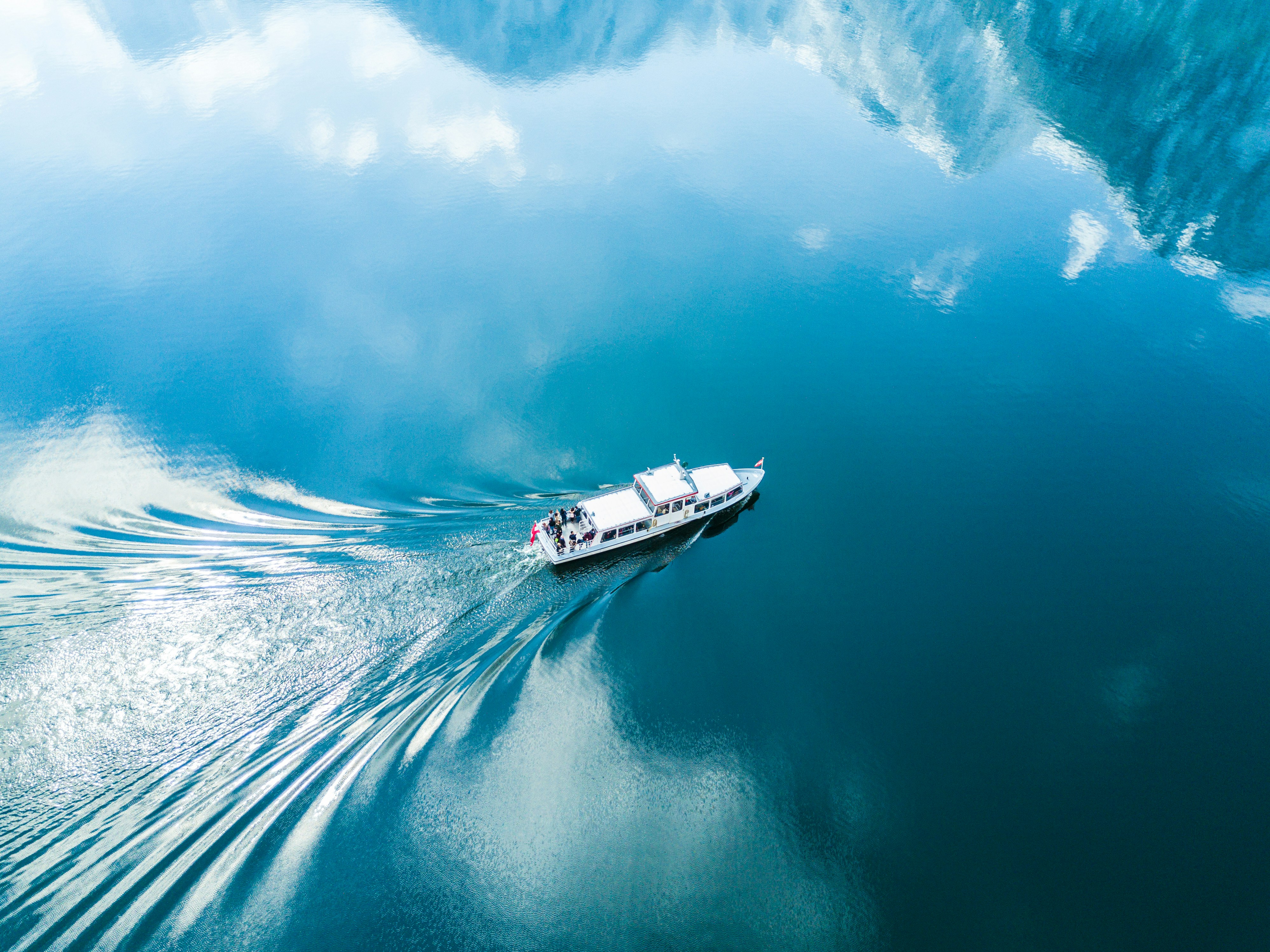
September can still bring good days on Houghton Lake, but it’s also the right time to start thinking about what happens after the final trip of the season. A boat that will sit for months needs more than a cover and a parking spot. Water needs to be drained from systems that can freeze, the engine and fuel system need attention, and everything from the bilge to the upholstery should be clean and dry before the boat is put away.
Where the boat spends those months matters too. At Houghton Lake Boat & RV Storage, we offer oversized enclosed units designed for boats, pontoons, trailers, and RVs at 833 Byron Ave, right on M-55 next to Dollar General. Owners comparing storage options in Houghton Lake can check current unit sizes and availability before deciding what will fit their boat and trailer. The exact winterization procedure depends on your boat, engine, and onboard systems, so the manufacturer’s instructions should always take priority. Still, most seasonal preparation follows the same basic sequence: clean and dry the boat, protect the mechanical systems, remove water from anything that can hold it, and prepare the interior for several months out of use.
Start With a Clean, Dry Boat
Winterization should begin before the boat reaches its offseason space. Once you pull it from Houghton Lake, inspect the hull and trailer and remove plants, mud, and other debris. This is more than good housekeeping. Michigan requires boaters to remove aquatic organisms from watercraft and trailers and to remove drain plugs and drain water from bilges, ballast tanks, and live wells before transporting a watercraft. The Michigan Invasive Species Program also recommends cleaning boats, trailers, and equipment and letting them dry before moving between bodies of water. Once the boat is home or at the place where you’ll winterize it, wash the hull and deck and clean the interior. Pay attention to compartments where wet ropes, life jackets, fishing equipment, or other gear may have been sitting. Everything should be dry before it’s closed up for the season. That same rule applies to the equipment you take off the boat. Our guide to cleaning and storing Houghton Lake gear after a lake weekend covers life jackets, fishing equipment, tow ropes, inflatables, and other items that shouldn’t spend the winter packed away damp.
Winterize the Engine According to Its Manufacturer
The engine is one area where a generic checklist can only go so far. An outboard, sterndrive, and inboard engine may require different procedures, and newer engines can have manufacturer-specific winterization systems. Check the owner’s manual before draining, flushing, fogging, lubricating, or adding any product to the engine.
A typical winterization process includes draining water from the engine, protecting it against corrosion, treating the fuel system with an appropriate stabilizer, and servicing fuel filters or fuel and water separators where required. Oil and filter changes may also be part of the process. Discover Boating recommends consulting the owner’s manual for the engine’s specific instructions, including whether fogging is needed. Its boat winterization guide provides a useful overview of the systems that need attention before freezing temperatures arrive. Don’t improvise if you’re unsure about a procedure. Winterization is intended to protect the engine during a long period of inactivity, and the correct fluids, quantities, and steps depend on the equipment installed on the boat.
Remove Water From Plumbing and Other Systems
The engine isn’t the only place where water can remain. If your boat has freshwater tanks, sinks, faucets, a head, live wells, raw-water washdowns, ballast tanks, or similar systems, drain them according to the manufacturer’s instructions. Pumps and lines need attention as well. Water left in the wrong place can freeze and damage components during storage.
Depending on the system, winterization may call for marine antifreeze after the water has been drained. Discover Boating specifically identifies freshwater plumbing, live wells, bilge pumps, and raw-water washdowns among the systems that should be drained and, when appropriate, treated for freezing conditions. Once the boat is on dry land, check the bilge and make sure it has drained thoroughly. Keep track of plugs and other parts you remove so they can be reinstalled correctly when you recommission the boat.
Check the Fuel, Oil, Battery, and Drive Components
Fuel that will sit through the offseason needs to be handled according to the engine manufacturer’s recommendations. Common winterization guidance includes adding the appropriate fuel stabilizer and running the engine long enough to circulate treated fuel through the system. Fuel filters and fuel and water separators may also need service. The battery deserves its own check before the boat goes away. Confirm its condition and charge, switch off electrical loads as appropriate, and follow the battery manufacturer’s storage instructions. Discover Boating recommends making sure batteries are fully charged, and battery switches are turned off before out-of-water storage.
This is also a practical time to inspect the propeller, prop shaft, hoses, belts, and other visible components for damage or wear. Problems found in September are easier to put on a spring maintenance list than problems discovered on the first launch day.
Empty and Dry the Interior
Anything that doesn’t need to remain aboard is usually better removed before long-term storage. Take out food, trash, damp towels, fishing bait, and other material that can create odors or attract pests. Clean lockers and compartments, then let them dry before closing the boat. Remove moisture-sensitive belongings where appropriate. Cushions and other soft materials should be clean and dry, with enough airflow around them to discourage trapped moisture.
If you have a cabin boat with plumbing, sanitation equipment, appliances, or additional onboard systems, your winterization list will be longer than it is for a basic fishing boat. Work through those systems individually rather than assuming that draining the engine finishes the job.
Decide How You’ll Cover the Boat
A winterized boat still needs protection from dust and debris. The right covering depends partly on where and how the boat will be stored. A fitted reusable boat cover offers straightforward access if you expect to inspect the boat during the offseason. Shrink wrap is another option for boats that will remain closed up for an extended period, though correct installation and ventilation matter. We’ve covered the differences in more detail in our guide to choosing between shrink wrap and a boat cover. Consider the fit, ventilation, expected access, and storage environment instead of choosing a cover solely by price.
Measure the Boat and Trailer Before Choosing a Unit
The boat’s advertised length isn’t necessarily the measurement you need when choosing an enclosed space. Measure the full stored setup, including the trailer tongue, motor position, swim platform, and anything else that extends beyond the hull. Width and height matter too. Houghton Lake Boat & RV Storage currently lists several enclosed options with oversized doors. The 10x20 and 12x20 units are listed for recreational boats under 20 feet. For larger setups, the facility lists 10x30 and 12x30 units, plus 12x40 drive-through units intended for larger recreational boats and pontoons.
Door dimensions vary by unit. Current listings show 10-foot-tall doors on the 10x20 and 12x20 units, while the 10x30 and 12x30 listings have 12-foot-tall doors. The widths also differ, so checking both the boat’s overall dimensions and the specific door dimensions is important before reserving. If the fit is close, call before choosing a size rather than relying on the nominal unit dimensions alone.
Why Enclosed Boat Storage Makes Sense for the Offseason
A fully winterized boat is prepared internally for months out of the water. Enclosed storage adds a physical barrier between the boat and outdoor winter exposure. At our Houghton Lake property, the oversized units are enclosed and designed around boats, pontoons, trailers, and RVs. The site is fenced and gated, has security cameras and lighting, and customers have 24/7 access. Drive-up access is available, and the wider and taller doors on the oversized units are intended to accommodate larger recreational vehicles.
The location also has a practical connection to seasonal boat storage. We’re at 833 Byron Ave on M-55 next to Dollar General, so the property is positioned along a road Houghton Lake-area boat owners already use. The facility also serves customers from Higgins Lake, Prudenville, and Roscommon. Rentals are month-to-month, with online reservations, online move-in, and online bill pay available. Current availability and pricing are shown on the facility website rather than requiring renters to guess which sizes are open.
Put the Boat Away Ready for Spring
Good winter storage starts before the unit door closes. Clean and drain the boat after its final trip, work through the engine and fuel procedures specified by the manufacturer, remove water from onboard systems, and make sure the interior and gear are dry. Then measure the complete boat-and-trailer setup before choosing an enclosed space.
For boat owners finishing the season on Houghton Lake, September gives you time to handle those jobs carefully instead of rushing through them after the boat has already been sitting. If you’re deciding where the boat will stay once winterization is complete, you can explore storage options from Houghton Lake Boat & RV Storage and compare the current enclosed unit sizes, door dimensions, pricing, and availability for your setup.
Houghton Lake Boat & RV Storage
Categories