
Lake Weekend Wrapped Up? Here’s How to Pack and Store Your Houghton Lake Gear the Right Way
Lake Weekend Wrapped Up? Here’s How to Pack and Store Your Houghton Lake Gear the Right Way
Josh Summerhays
August 14th, 2026
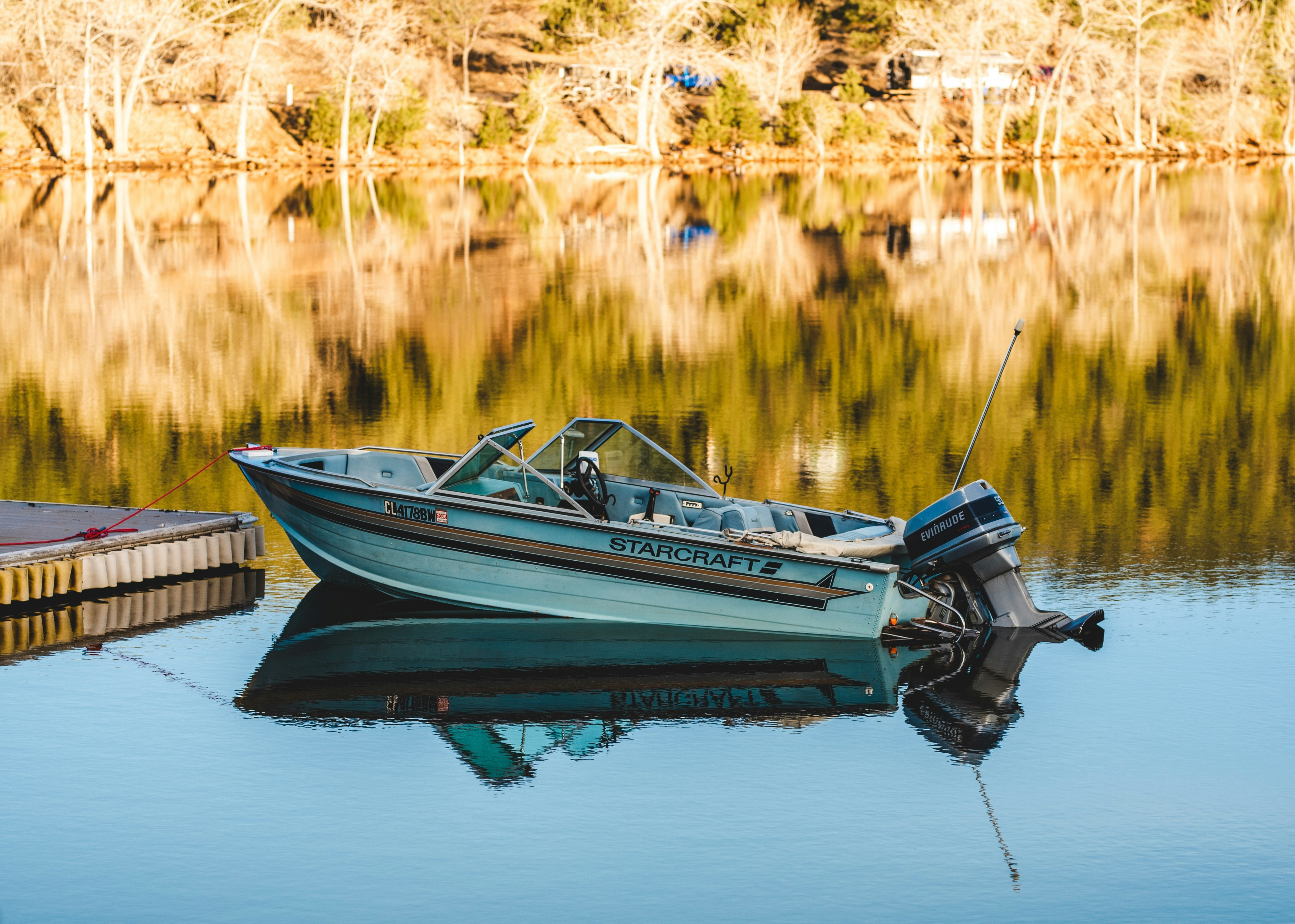
There is a familiar moment at the end of a good Houghton Lake weekend. The boat is back on the trailer, the cooler is nearly empty, fishing rods are leaning against whatever happens to be nearby, and a collection of life jackets, towels, ropes, water shoes, tackle boxes, and inflatable gear has somehow spread across the vehicle, garage, or driveway. After spending hours on the water, organizing all of it is probably the last thing anyone feels like doing.
Still, those first few hours after returning home can make a noticeable difference in how well your equipment holds up between trips. Lake gear is regularly exposed to water, dirt, sand, plant material, food, sunscreen, fish residue, and plenty of everyday wear. If everything gets packed away damp or dirty, you may find yourself dealing with odors, corrosion, mildew, tangled equipment, or damaged accessories the next time you want to head out. A simple cleaning and packing routine helps avoid those problems while making future lake days much easier to prepare for.
For people who regularly boat, fish, paddle, camp, or spend weekends along the shoreline, having organized storage options in Houghton Lake can also help keep recreational equipment from gradually taking over the garage or driveway. That is especially useful in an area where outdoor recreation plays such a large role. The Michigan Department of Natural Resources identifies Houghton Lake as a 20,075-acre lake with fishing for species such as walleye, northern pike, bass, yellow perch, and panfish, along with several large boat access sites. With so many ways to enjoy the lake, it does not take long for a few basic supplies to turn into a sizable collection of recreational gear.
Key Points for Readers Short on Time
- Clean equipment before storing it so dirt, food residue, plant material, and lake debris are not packed away with your gear.
- Give life jackets, ropes, towels, water shoes, inflatables, and other moisture-holding items enough time to dry completely.
- Organize equipment according to how you use it, such as fishing, boating, paddling, beach days, or tow sports.
- Inspect equipment while unpacking so damaged ropes, leaking inflatables, worn life jackets, and rusty tackle can be addressed before your next outing.
- Keep frequently used gear accessible in your storage unit so preparing for another Houghton Lake weekend does not require unpacking everything you own.
Do Not Let Sunday Night Exhaustion Decide How You Store Your Gear
After a full weekend on Houghton Lake, it is understandable to want to unload everything as quickly as possible and deal with it later. Unfortunately, "later" has a habit of becoming the morning before the next trip. By then, a damp towel may have been sitting against a life jacket for two weeks, fishing tackle may have started showing corrosion, and the tow rope you thought you coiled neatly may have somehow turned into a knot.
Instead, think of unpacking as the final part of the lake weekend rather than a completely separate chore. You do not need to perform a deep cleaning of every piece of equipment after every outing. However, separating wet items, throwing away trash, rinsing visibly dirty gear, and opening containers so they can air out takes relatively little time and prevents several common storage problems.
It also helps to create a temporary unloading zone. Rather than carrying random items directly into different areas of the house or garage, place lake equipment together first. From there, separate anything that needs washing or drying from gear that is already clean and ready to store. This small change makes the process feel more manageable because you can see exactly what needs attention instead of discovering forgotten equipment days later.
Clean First, Because Storage Cannot Fix Dirty Gear
Once everything has been unloaded, cleaning should come before organizing. Storage containers can protect clean equipment from dust and everyday damage, but they cannot undo the effects of storing gear covered in dirt, organic material, food residue, or moisture. Begin with anything that went directly into the lake. Paddles, anchors, ropes, fishing equipment, inflatable toys, water shoes, and other wet gear should be inspected and cleaned as appropriate for the material. Meanwhile, equipment that stayed aboard the boat deserves attention too. Coolers can contain spilled drinks and food residue, tackle boxes may have wet compartments, and camp chairs often collect sand and dirt around their hinges and fabric seams.
There is also a broader reason to pay attention to what comes home on boating and fishing equipment. The Michigan DNR's boating resources emphasize responsible boating practices and provide guidance designed to help boaters avoid transporting aquatic invasive species between Michigan waterways. Cleaning and inspecting watercraft and related equipment is therefore a useful habit not only for protecting your gear, but also for responsible recreation.
As you clean, take advantage of the opportunity to inspect each item. A cracked buckle, damaged fishing rod guide, frayed rope, leaking inflatable, or loose paddle component is much easier to deal with now than on the morning of your next trip. In other words, cleanup can double as a quick equipment check.
Give Wet Gear More Time Than You Think It Needs
After cleaning comes one of the most important parts of the entire process: drying. Lake gear often feels dry on the surface long before moisture has actually left the material. Ropes can remain damp inside tightly wound fibers, life jackets can hold moisture around straps and seams, and water shoes may stay wet inside even when their exteriors feel dry. For that reason, avoid packing gear immediately after rinsing it. Hang life jackets individually when possible, uncoil ropes, open bags and compartments, and spread towels or fabric accessories somewhere with adequate airflow. Coolers should be cleaned and left open until the interior, drain area, seals, and corners are dry.
Inflatable equipment deserves the same patience. Water can collect around valves, handles, folds, and seams. If you immediately deflate and tightly fold an inflatable while those areas are still wet, you can trap moisture inside the folded material for an extended period. The same principle applies to waterproof containers and dry bags. Because these products are designed to keep water from passing through them, they can be extremely effective at trapping moisture that is already inside. Before closing a waterproof bag or sealed tote for storage, make sure both the container and its contents are actually dry.
Organize Around Your Houghton Lake Routine, Not Around Random Containers
Once your equipment is clean and dry, the next question is where everything should go. This is where many storage systems become unnecessarily complicated. People often organize according to whatever containers happen to be available instead of thinking about how they actually use their gear. A more practical approach is to organize by activity. If fishing is a regular part of your Houghton Lake weekends, rods, reels, tackle, nets, tools, and related accessories should occupy the same general storage area. If your family spends more time tubing or enjoying other tow sports, keeping the tube, pump, tow rope, repair kit, and accessories together makes sense. Paddling equipment can form another group, while beach gear, chairs, towels, and general shoreline supplies can occupy their own section.
This method becomes particularly useful around Houghton Lake because one weekend may look completely different from another. You might spend one trip fishing and another primarily boating with family or relaxing near the water. When equipment is grouped by activity, you can take only what you need instead of searching through several containers labeled simply "Lake Stuff." It also creates a natural packing routine. Rather than mentally rebuilding your checklist before every trip, you can work through the appropriate equipment category. Over time, preparing for a Houghton Lake weekend becomes less about finding things and more about checking that each group is complete.
Give Fishing Gear a Little Extra Attention
Fishing equipment is one category that benefits significantly from careful storage. Houghton Lake is known for a variety of fishing opportunities, and the Michigan DNR notes that anglers can find species including panfish, yellow perch, bass, walleye, and northern pike. If fishing is a regular part of your time on the lake, your collection of rods, reels, tackle boxes, nets, tools, and accessories can grow surprisingly quickly. Start with rods and reels. Remove obvious dirt or debris and inspect rod guides, handles, reel components, and line for visible damage. Avoid placing rods underneath heavy containers or leaning them somewhere they can easily be knocked over. If you use rod sleeves or protective cases, make sure the equipment is dry before enclosing it.
Next, open tackle boxes rather than immediately putting them away. Wet hooks, lures, pliers, and other metal equipment should be allowed to dry before the box is closed for storage. This is also a good time to remove tangled fishing line, empty bait packaging, broken lures, and other clutter that tends to accumulate during a busy day. Finally, keep small fishing essentials together. A well-organized tackle system means fewer last-minute stops and less time searching before your next trip. More importantly, checking supplies after a weekend gives you plenty of time to replace worn or missing equipment rather than discovering the problem when the boat is already in the water.
Life Jackets Should Not Be the Bottom Layer of the Gear Pile
Life jackets are another item that often gets packed away too quickly. After a day on the lake, they may end up piled in the boat, stuffed into a tote, or placed underneath other equipment simply because they are bulky. However, their fabric, straps, buckles, seams, and buoyant materials all deserve proper care. First, allow each life jacket to dry thoroughly. If possible, hang them separately so air can circulate the material instead of stacking several damp jackets together. While they are drying, inspect straps, buckles, seams, and exterior surfaces for obvious damage or excessive wear.
Once dry, store life jackets somewhere they will not be crushed by heavier equipment. Hanging storage can work particularly well because it keeps them visible and accessible while reducing the amount of shelf or floor space they occupy. Most importantly, do not assume a sealed plastic tote is automatically the best storage solution. A tote can help keep clean, dry equipment organized, but sealing damp fabric inside a container creates exactly the type of environment you want to avoid. Dry first, organize second, and close the container only when you are confident moisture is no longer an issue.
Deflate Inflatables Without Turning Them Into a Mystery Bundle
Inflatable tubes, floats, loungers, and similar lake accessories are fun on the water and inconvenient almost everywhere else. Left inflated, they consume enormous amounts of storage space. Deflated carelessly, however, they can become awkward bundles with missing plugs, pumps, adapters, and repair supplies scattered in different places. Before deflating anything, clean it and give it time to dry. Then inspect seams, handles, valves, and high-stress areas for visible damage. If you notice a small leak or questionable seam, make a note of it or address it before storage. There is little benefit in neatly storing an inflatable for months only to discover the same problem when you are trying to use it again.
Afterward, loosely fold or roll the inflatable according to its construction rather than forcing it into the smallest container possible. Excessive compression can create hard creases in certain materials, particularly when an item remains folded for a long period. Finally, store pumps, valve adapters, repair supplies, and other accessories with the inflatable itself. It sounds simple, but small attachments are among the easiest lake accessories to misplace. Keeping the entire setup together means you will not arrive at Houghton Lake with a perfectly good tube and no practical way to inflate it.
Stop Ropes From Becoming Next Weekend's Puzzle
Tow ropes, dock lines, anchor lines, and similar equipment deserve their own routine as well. When ropes are tossed into a bin without being dried and coiled, they can quickly become tangled with one another, fishing equipment, straps, and practically anything else stored nearby. After cleaning and drying each rope, coil it individually and secure the coil without creating overly tight knots. If you have several similar ropes, consider labeling them according to their purpose. That way, you are not unrolling three different lines before finding the one you need.
While coiling, run your hands along the rope and look for obvious signs of wear. Fraying, damaged connectors, flattened sections, or other deterioration may indicate that a rope needs closer inspection or replacement. Again, the goal is to discover those issues while unpacking rather than when the equipment is needed. Then, keep ropes near the equipment they support. A tow rope belongs with tow sports equipment. Dock lines and related boating accessories make sense together. An organized storage unit should follow the logic of a lake day, making it easier to move from storage to vehicle to water without repeatedly sorting the same equipment.
Give Coolers a Proper End of Weekend Reset
Coolers may seem simple compared with fishing gear or boating equipment, but they can become one of the least pleasant things to rediscover after several weeks in storage. A forgotten food wrapper, spilled drink, small amount of standing water, or closed drain plug can create odors surprisingly quickly. Therefore, empty the cooler completely before putting it away. Clean the interior and exterior, paying extra attention to corners, seals, handles, drain plugs, and any removable parts where residue may collect. After cleaning, leave the lid open until the entire interior has dried.
Some people use coolers as containers for smaller picnic or lake supplies during storage. That can be an efficient use of space, provided everything going inside is clean and dry. Avoid storing food or strongly scented products, and consider leaving the lid slightly open during longer storage periods when appropriate for the cooler and storage environment. This is another area where a consistent routine pays off. When your cooler is cleaned and reset after every trip, packing for the next weekend becomes a matter of adding fresh supplies rather than cleaning up leftovers from the previous outing.
Think Beyond the Gear and Look at the Boat Too
As you work through all the smaller equipment, it is easy to forget that the boat itself needs a storage plan. Gear organization and boat protection really work together. There is little benefit in carefully storing every rope and life jacket if the vessel carrying them is left without appropriate protection. If your boat will remain unused for a longer period, consider how it will be covered and protected. Different owners have different priorities depending on how long the boat will be stored, how frequently they need access to it, and what kind of protection they prefer. We cover those considerations in greater detail in our guide to choosing between shrink wrap and a boat cover for storage.
At the same time, think carefully about what actually needs to remain aboard the boat. Some equipment makes sense to keep nearby, while other items are easier to clean, inspect, organize, and retrieve when stored separately. Removing unnecessary clutter can also make it easier to inspect the boat and prepare it before the next launch. The goal is not to empty the boat simply for the sake of emptying it. Instead, create a setup where the boat and the gear around it are both easy to access, inspect, and prepare.
Choose Storage Containers According to What Is Inside
By this point, your equipment should be clean, dry, inspected, and divided into logical categories. Only then does it make sense to decide which containers should hold everything. Sturdy plastic totes work well for many smaller accessories because they can protect contents from dust and make stacking easier. Clear containers provide the advantage of visibility, while opaque containers can work just as well when they are clearly labeled. However, avoid automatically putting every item into a plastic bin. Long fishing rods, paddles, life jackets, and certain bulky accessories may be better stored on racks, hooks, shelves, or other appropriate supports.
Container size matters too. Heavy equipment belongs in smaller bins that remain manageable to lift. Larger containers are better suited to lighter, bulkier gear. Otherwise, it is easy to create an impressively organized tote that no one actually wants to move. Labels should also be specific. "Lake Gear" may sound sufficient until you have five containers carrying the same description. Labels such as "Fishing Tackle," "Boat Cleaning," "Tow Sports," "Beach Gear," and "Paddling Accessories" tell you immediately where to look.
Make Your Storage Unit Work Like Part of Your Lake Routine
The best storage unit is not simply one that holds everything. It should also make your equipment easy to retrieve. This becomes particularly important if you use your boat and gear regularly throughout the season rather than storing everything untouched for months. Place frequently used items where they are easy to reach. Equipment that comes out almost every weekend should not sit behind rarely used seasonal supplies. Likewise, avoid stacking containers so tightly that retrieving one tote requires moving six others first. A little open space can be much more useful than squeezing every available inch out of a storage unit.
If your boat or trailer shares the space, think about how you will move around it. Trailer tongues, motors, guide posts, swim platforms, mirrors, and other components can affect usable space. In addition, you may want enough room to reach a compartment, inspect straps, check equipment, or retrieve a tote without pulling the entire trailer out. For that reason, choosing storage based solely on the advertised length of a boat can be misleading. Our guide to choosing the right boat or trailer storage unit in Houghton Lake explains why the complete trailered setup, including width, trailer tongue, motor position, and maneuvering room, should factor into the decision. Ultimately, good organization should reduce effort. If your storage setup makes every trip more complicated, it probably needs to be rearranged.
Create a Small "Next Trip" Zone
One of the easiest ways to make your storage system feel more useful is to create a small area specifically for equipment that comes on nearly every trip. This is different from throwing everything together in a general lake gear pile. Instead, think of it as a staging area for frequently used essentials. For example, you might keep a regularly used tackle bag, boat cleaning supplies, dry towels, commonly used ropes, and other routine accessories within easy reach. Items that are used less frequently can remain farther back or higher on shelving.
This approach also gives you a natural place to return equipment after cleaning. Instead of deciding where each frequently used item belongs every Sunday evening, you already know where it goes. More importantly, the next trip starts there too. When it is time to head back to Houghton Lake, you can check that area first, add any activity-specific equipment you need, and load much more efficiently.
Use the End of One Weekend to Prepare for the Beginning of the Next
Good lake gear storage is ultimately less about what happens after a trip and more about what happens before the next one. Every few minutes you spend cleaning, drying, inspecting, and organizing equipment now can eliminate a frustrating task later. Before your next outing, perform a quick check of the equipment categories you plan to bring. Look over life jackets and other safety equipment, confirm that fishing supplies are stocked, make sure inflatable pumps and adapters are present, and inspect ropes or accessories that will see heavy use. If something needs attention, you will have a chance to handle it before leaving home.
Organized storage also helps prevent overpacking. When all of your recreational equipment is mixed, it is tempting to load nearly everything because sorting it feels like more work. Once gear is divided according to activity, you can pack for the weekend you are actually planning. That distinction matters around Houghton Lake because there are so many different ways to spend time outdoors. Michigan's recreation resources include boating, fishing, paddling, camping, hiking, and other activities throughout the state, while Houghton Lake itself provides extensive opportunities for fishing and water access. A thoughtful storage system makes it easier for your equipment to adapt when your plans change from one weekend to another.
A Better End to the Weekend Makes the Next Houghton Lake Trip Easier
Packing lake gear properly does not require turning your garage or storage unit into a perfectly arranged showroom. The goal is much more practical. Clean equipment lasts better. Dry equipment is less likely to develop unpleasant storage problems. Organized equipment is easier to find. Inspected equipment is less likely to surprise you with damage when you need it most. Most importantly, a consistent routine removes some of the friction from enjoying Houghton Lake. Instead of spending the beginning of each trip searching for equipment, untangling ropes, cleaning old coolers, or wondering where the pump adapter went, you can start with gear that is already prepared.
We at Houghton Lake Boat & RV Storage understand that boating and outdoor recreation come with much more than the boat or RV itself. Fishing equipment, life jackets, tow sports gear, paddles, maintenance supplies, trailers, and other recreational equipment all need somewhere to stay between adventures. For those considering how their larger equipment and lake gear fit together, it can be helpful to explore storage options from Houghton Lake Boat & RV Storage while planning a more organized setup between trips. Once everything has a logical place, packing up after a Houghton Lake weekend no longer feels like simply putting the fun away. Instead, it becomes the first bit of preparation for the next time you head back to the lake.
Houghton Lake Boat & RV Storage
Categories