
Where to Store Ice Fishing Gear and Shanties Around Houghton Lake
Where to Store Ice Fishing Gear and Shanties Around Houghton Lake
Josh Summerhays
November 25th, 2026
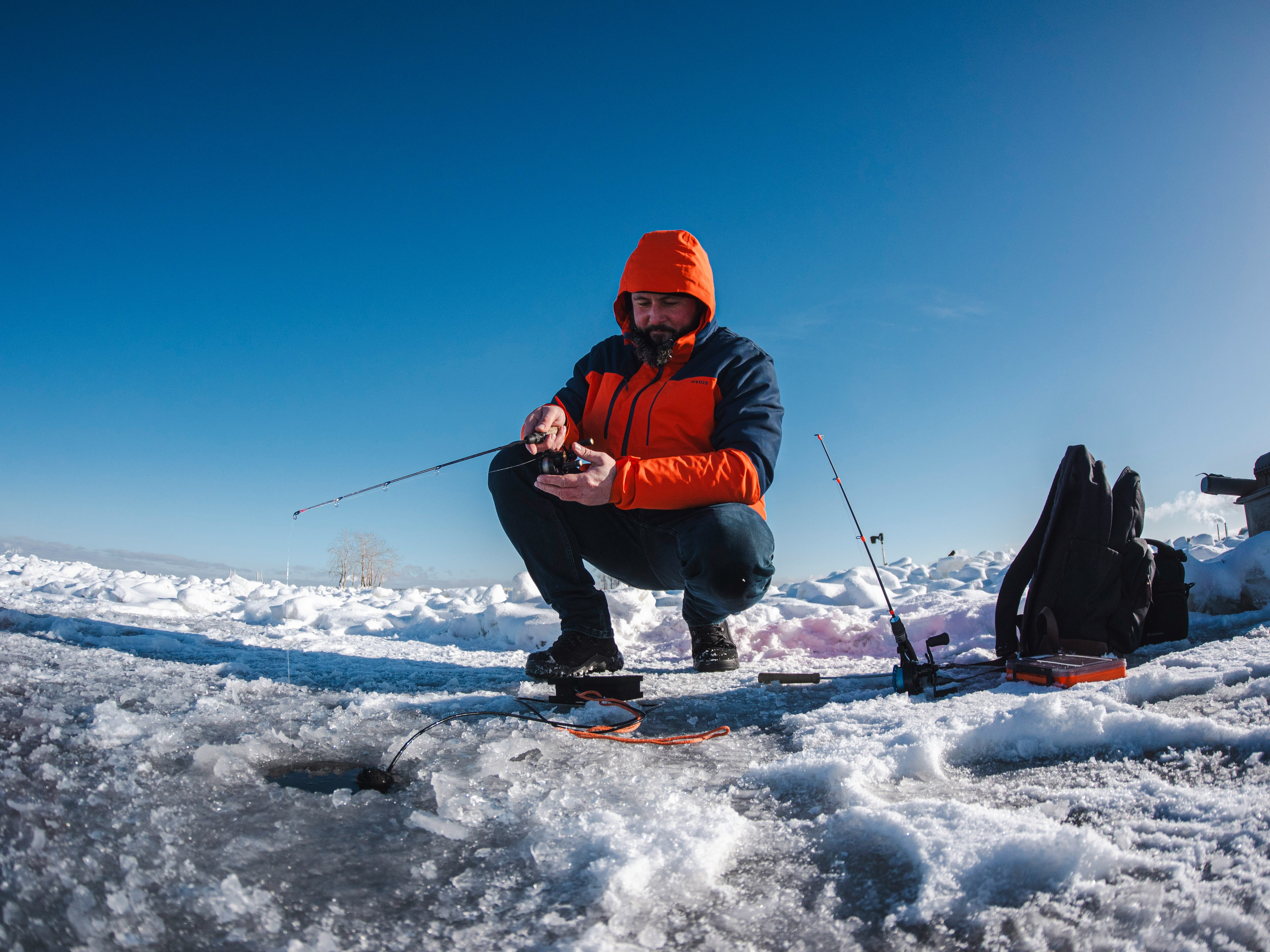
Once ice fishing season ends on Houghton Lake, finding room for your shanty, auger, fishing rods, and sled becomes the next job. Portable shelters take up considerable space even when folded, while permanent shanties require somewhere to sit throughout spring, summer, and fall. Keeping everything in the garage can leave little room for boats, lawn equipment, and other recreational belongings. At Houghton Lake Boat & RV Storage, we offer smaller 10x10 units and oversized enclosed spaces at 833 Byron Avenue, right on M-55 next to Dollar General. Our storage options in Houghton Lake include several unit dimensions worth comparing based on the size of your fishing equipment and shelter.
When Do Ice Fishing Shanties Need to Come Off Houghton Lake?
The Michigan Department of Natural Resources establishes mandatory ice fishing shanty removal dates for different parts of the state. In Roscommon County, where Houghton Lake is located, shanties must be removed by midnight on March 15 each year. If ice conditions become unsafe, removal must take place sooner. Anglers can continue using shanties after the deadline, provided they remove them at the end of each day's fishing activity. Tents and other temporary shelters are subject to daily removal requirements throughout the season. Arrange somewhere to keep your shanty well before the removal deadline. Larger shelters require transportation and enough space to maneuver into their off-season location, particularly if they're mounted on a trailer.
Where Can You Store Ice Fishing Equipment During the Off-Season?
A dry garage or shed works well for smaller collections of fishing equipment. Rods, tackle boxes, and hand augers are relatively easy to organize on racks or shelves. The difficulty comes with bulky shelters and sleds, which occupy floor space and can prevent you from parking a vehicle indoors. A storage unit gives seasonal fishing equipment a dedicated space outside the home. Enclosed units also keep shelters and equipment out of direct sunlight and precipitation. The right size depends primarily on the dimensions of your shanty, how much equipment accompanies it, and your plans for accessing everything between seasons. Temperature-sensitive electronics and batteries are better kept in an appropriate indoor environment at home if your unit doesn't maintain the conditions specified by their manufacturers.
How to Store Your Ice Fishing Combo During the Off-Season
An ice fishing combo consists of a rod and reel designed for fishing through the ice. These shorter rods are relatively compact, but their delicate tips and line guides are vulnerable to pressure from heavier equipment. Leaving them loose inside a sled full of gear increases the chance of damage during the months they're not in use.
Clean and Inspect Your Rod
Wipe down the rod blank, handle, reel seat, and line guides with a soft cloth. Remove any dirt or bait residue and let the rod dry completely. Inspect the guides for cracks or damaged inserts that might catch or weaken your fishing line next season. Pay particular attention to the rod tip. Ice fishing rods are designed to detect subtle bites, and damage to the tip can affect their performance. Store the rod in a protective case without bending it to fit.
Prepare the Reel and Fishing Line
Remove the hook or lure from the line before packing your combo. Check the line for abrasion, knots, and deterioration, particularly near the end that has been repeatedly exposed to the ice. Replace damaged line before your next fishing trip. Clean the outside of the reel and loosen its drag for extended storage. Follow the manufacturer's instructions for lubrication and servicing, since different reel designs require different maintenance procedures. Avoid putting a wet reel directly into a closed case.
Choose a Protective Rod Case
A rigid rod case offers protection from accidental pressure and impact. Padded cases are also suitable if they have a dedicated place on a shelf where nothing heavy will rest against them. For multiple combos, use a case with individual compartments or dividers that keep the rods and reels from rubbing together. Keep rod cases off the floor and away from augers, metal shelter components, and heavy tackle containers. If you're using shelving inside your unit, support the entire length of the case so it doesn't bend under its own weight.
Preparing Ice Fishing Shanties for Storage
Portable and permanent ice fishing shelters require different preparation. Fabric shelters are particularly susceptible to trapped moisture, while rigid shanties need attention around their floors, structural joints, and exterior openings.
Portable Hub and Flip-Over Shelters
Set up your portable shelter in a dry area after its final use. Inspect the interior fabric, seams, windows, and lower edges for moisture and dirt. Remove any bait containers, food wrappers, and other belongings that might attract pests. Flip-over shelters need particular attention around the sled and the areas where fabric folds against the frame. Water can remain trapped in these sections even after the exposed surfaces appear dry. Extend the shelter fully and wait until every section has dried before collapsing it. Check the poles, hinges, and attachment points for damage. Pack the shelter according to its manufacturer's instructions, and avoid placing heavy containers on top of the folded fabric or frame.
Permanent and Rigid Ice Shanties
Remove loose equipment before transporting a permanent shanty. Sweep the floor, clean around the fishing holes, and inspect the underside for signs of damage. Wooden components should be completely dry before the shelter goes into storage. Check the roof, door frames, windows, and exterior seams for deterioration. Repair damaged areas before putting the shanty away for several months. Remove portable heaters, fuel containers, and food supplies rather than leaving them inside until winter. If your shelter has a trailer or permanent runners, include those components in your measurements. A shanty's exterior walls account for only part of the space it needs during transportation and storage.
How to Store Augers, Tip-Ups, and Other Fishing Equipment
Different pieces of equipment need their own preparation:
- Ice augers: Remove moisture from the cutting blades, inspect them for damage, and install the protective blade guard. Follow the owner's manual for gasoline-powered and electric auger maintenance.
- Tip-ups: Clean and dry the frame, spool, and moving components. Remove hooks and bait residue, then secure the fishing line so it doesn't become tangled.
- Fish finders and flashers: Remove detachable batteries and store them according to the manufacturer's temperature and charging requirements. Protect screens and transducers from pressure and impact.
- Fishing tackle: Dry hooks, jigs, and lures before returning them to their compartments. Discard damaged items and clean out any remaining organic bait.
- Ice fishing sleds: Wash away dirt and residue, dry the interior, and inspect the runners and towing connections before putting the sled away.
- Winter fishing clothing: Clean and thoroughly dry insulated suits, gloves, and boots before placing them in storage containers.
Gasoline, propane cylinders, and other hazardous materials require separate handling. Check your rental agreement for prohibited items, and follow the equipment manufacturer's instructions for off-season fuel management.
Choosing a Storage Unit for Ice Fishing Gear and Shanties
Floor space is only one consideration when renting a unit for bulky recreational equipment. Door width and height become especially important if you're storing a rigid shelter or a shanty mounted on a trailer. At our facility, we offer several enclosed unit sizes with oversized door openings. Measure your equipment before choosing among the following options, particularly if the shelter cannot be disassembled.
10x10 Storage Units for Fishing Gear and Portable Shelters
A 10x10 unit provides 100 square feet of floor space. Our units in this size feature doors measuring 9 feet wide and 10 feet tall, which gives you a substantial opening for moving bulky seasonal equipment in and out. This size is worth considering if most of your belongings consist of folded shelters, rod cases, tackle containers, augers, and fishing sleds. Freestanding shelving can keep smaller equipment organized without taking up the entire floor. Our guide to what fits inside a 10x10 storage unit explains how to plan around larger belongings and make better use of the available space.
10x20 and 12x20 Units for Bulky Equipment
A 10x20 unit provides 200 square feet of floor space, while a 12x20 gives you 240 square feet. Both sizes offer room to consider storing larger fishing shelters alongside other recreational belongings, subject to their measurements and the facility's storage requirements. Our 10x20 units have doors measuring 9 feet wide by 10 feet tall. The 12x20 units have the same listed door height but an 11-foot-wide opening. Those extra two feet of door width are worth accounting for if you're maneuvering a bulky structure with limited clearance on either side.
Larger Enclosed Units for Trailer-Mounted Shanties
We also offer oversized enclosed units in dimensions including 10x30, 12x30, 10x40, and 12x40. Our 12x30 units feature doors measuring 11 feet wide and 12 feet tall. Before choosing a space for a trailer-mounted ice shanty, measure its total length from the hitch to its furthest rear point. Include the wheels, fenders, and any exterior attachments when determining its width. Height measurements should account for the roof and anything attached above it. Confirm interior clearance and whether your particular shanty is permitted before arranging transportation. A unit's advertised floor dimensions don't guarantee that every structure of a similar size will fit through its entrance.
Organizing Your Ice Fishing Equipment Between Seasons
Start with the largest item when arranging your unit. A portable shelter or sled establishes how much floor space remains for smaller equipment. Keep a clear route from the entrance to the belongings you're likely to retrieve before the next fishing season. Use labeled containers for tackle and shelter accessories. Keep stakes, anchors, and replacement hardware together so you won't have to search through unrelated boxes when setting up your shanty again. Rod cases should have their own shelf, away from equipment with sharp edges. The placement of your belongings also matters if you fish year-round. Open-water fishing equipment should remain accessible throughout spring and summer rather than sitting behind a shanty that won't be moved until winter.
Using the Same Storage Space for Ice Fishing and Boating Equipment
For anglers who spend the warmer months on Houghton Lake, seasonal storage needs change as the lake transitions from ice fishing to open-water recreation. A space used for winter fishing equipment during summer can serve a different purpose once boating season ends, provided there's enough room for everything you intend to keep. If you own a wake boat or pontoon, consider how its trailer dimensions affect the space available for fishing equipment. Larger enclosed units are worth comparing if you want to keep multiple types of recreational gear at the same location. Boats have their own seasonal maintenance requirements, especially around engines, plumbing, and ballast systems. Our guide to winterizing your boat before storage covers those preparations in more detail. At our fenced and gated facility on M-55, customers have access 24 hours a day, year-round. You can retrieve equipment before an early fishing trip or collect gear for maintenance between seasons without arranging your visit around limited gate hours.
Make Room for Your Next Fishing Season in Houghton Lake
Before the March shanty removal deadline, measure your shelter and take inventory of the equipment you plan to store with it. Decide which electronics and batteries should stay at home, and account for the floor space you'll need to reach your belongings without unloading the entire unit. At our Byron Avenue facility, we have smaller units for seasonal equipment alongside oversized enclosed units designed for boats, RVs, and trailers. You can explore storage options from Houghton Lake Boat & RV Storage to compare current availability, pricing, and listed door dimensions before deciding which space suits your off-season equipment.
Houghton Lake Boat & RV Storage
Categories