
How to Block a Pontoon Boat for Storage: A Complete Guide for Boat Owners
How to Block a Pontoon Boat for Storage: A Complete Guide for Boat Owners
ADMIN
March 16th, 2026
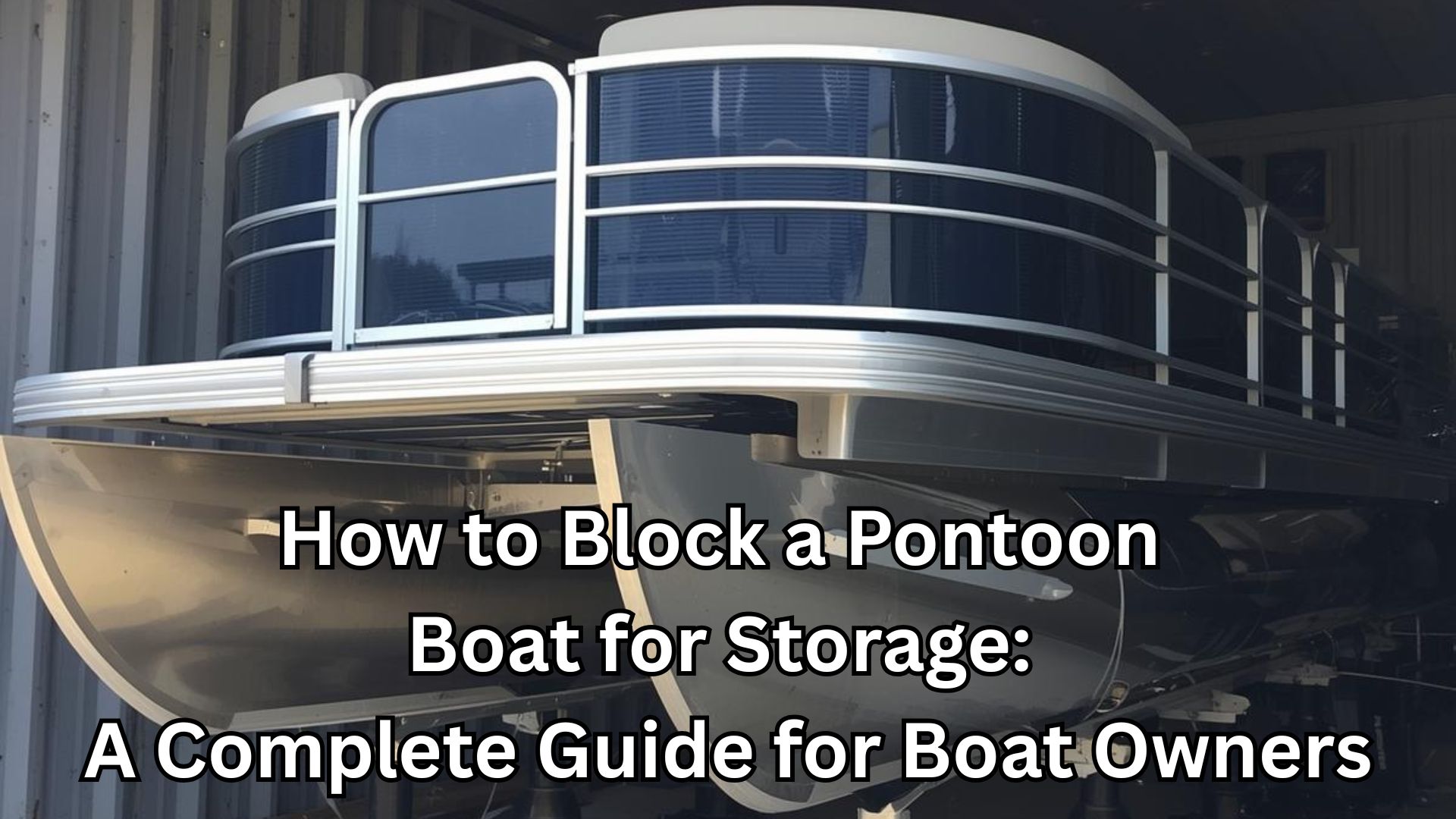
Pontoon boats are designed for relaxing days on the water, family gatherings, fishing trips, and cruising across calm lakes. At the end of the boating season, however, protecting that investment becomes a priority. One of the most important steps in winterizing and preparing a pontoon boat is learning how to properly block a pontoon boat for storage.
Proper blocking supports the weight of the boat evenly while it sits on land for months at a time. Without the right support, pontoons can develop stress points, the frame can shift, and the deck may experience unnecessary strain. These issues often appear slowly and may not be noticeable until the next boating season begins.
Boat owners around Houghton Lake, Michigan, understand how important storage preparation can be after a busy summer on the water. Many choose nearby storage options like the Houghton Lake storage facility, which provides a convenient location close to the lake while allowing boat owners to secure their vessels during the off-season.
In this guide, we’ll explain how to block a pontoon boat for storage step by step, why it matters, and how local boating conditions around Houghton Lake influence proper storage practices.
Why Pontoon Boats Need Proper Blocking
Pontoon boats are unique compared to traditional V-hull boats. Instead of a single hull, they rely on two or three aluminum tubes that provide buoyancy and stability in the water. When the boat is floating, the water distributes weight evenly along the length of the pontoons.
Once the boat is removed from the water, that natural support disappears. If the boat is left unsupported or supported incorrectly, certain areas of the tubes may carry too much weight while other areas carry none. Over time, this uneven distribution can lead to structural stress.
Improper storage may cause problems such as:
- slight deformation in aluminum tubes
- frame twisting or shifting
- pressure points along the pontoon surface
- long-term weakening of weld seams
Even small shifts in alignment can affect how the boat performs on the water later.
The boating industry widely recognizes that proper out-of-water storage is critical to maintaining vessel longevity. Organizations like the National Marine Manufacturers Association emphasize that appropriate storage practices help reduce wear, corrosion, and long-term structural damage. Blocking the boat properly ensures that the weight of the deck, furniture, engine, and fuel system is distributed across multiple support points rather than resting on a single location.
Understanding Pontoon Weight Distribution
Before blocking the boat, it helps to understand how weight is distributed on a pontoon vessel. A typical pontoon boat carries several heavy components. The engine sits at the rear. Seating, flooring, and railings extend across the deck. Fuel tanks, batteries, and electronics add additional weight in certain sections.
Because of this, the stern of the boat is usually the heaviest area. If blocking does not support this section properly, the rear pontoon area may experience additional stress during storage. The goal of proper blocking is not simply to lift the boat off the ground. Instead, the objective is to mimic the way the boat floats on water by spreading weight evenly across the length of the pontoons. This approach protects both the aluminum tubes and the deck frame that sits above them.
Choosing the Right Location for Storage
Selecting the correct storage location plays an important role in the blocking process. The surface beneath the boat must remain stable throughout the storage period. A level surface prevents blocks from shifting and keeps the boat balanced. Gravel storage lots, asphalt pads, and concrete surfaces are commonly used for boat storage facilities because they handle heavy loads and drain well during rain or snow.
In the Houghton Lake region, boat owners frequently store their vessels close to the lake so they are ready when the boating season begins again. The lake itself is one of Michigan's most popular inland boating destinations and spans over twenty thousand acres. The area attracts anglers, cruisers, and water sports enthusiasts throughout the summer months. Because boating activity is so common in the region, local storage facilities are designed with wide spaces that allow boats to be safely supported during long storage periods.
Materials Used for Blocking a Pontoon Boat
Blocking a pontoon boat requires strong and stable materials. The supports must handle thousands of pounds while maintaining balance over several months. Most pontoon owners use a combination of solid supports and protective padding. Concrete blocks are commonly used because they are durable and resist weather exposure. Heavy wooden beams or treated lumber are often placed between the pontoon and the block to spread the load evenly.
Boat stands designed specifically for marine storage can also be used. These stands typically have adjustable tops that allow the support height to be fine-tuned for the boat's frame. Whatever support system is used, stability should always come first. Blocks should sit flat on the ground and remain aligned under the strongest structural areas of the pontoons.
Step-by-Step Guide: How to Block a Pontoon Boat for Storage
Blocking a pontoon boat can be done in several stages. Moving slowly and checking alignment throughout the process helps ensure that the boat remains stable once storage begins.
Prepare the Boat and Trailer
Most pontoon boats arrive at the storage location on a trailer. The trailer provides the first level of support during the blocking process. Begin by parking the trailer on a level surface. The trailer tongue jack should be adjusted so that the boat sits evenly from front to back. If the trailer tilts too far forward or backward, the blocking points may not align correctly. Once the boat is level, the blocking process can begin underneath the pontoons.
Place Initial Support Blocks
Start by positioning blocks near the strongest structural areas of each pontoon. These areas are usually close to cross members that connect the deck frame to the tubes. A typical pontoon boat will require three to four support points per tube, depending on the length of the vessel.
The first block should be placed toward the front section of the pontoon. Another should sit near the middle of the tube. A third block is typically positioned closer to the rear, where the engine weight sits. For larger pontoons, additional blocks may be used to ensure the tubes remain fully supported.
Add Protective Padding
Before the pontoon rests fully on the blocks, it is helpful to place wooden pads or beams between the aluminum surface and the concrete block. These pads serve two purposes. They distribute weight across a wider area and prevent scratches or dents from forming on the aluminum tubes. The padding also helps absorb slight movement caused by temperature changes during long storage periods.
Transfer Weight Gradually
Once the blocks are positioned, the next step is to slowly transfer weight from the trailer onto the support blocks. This process may involve raising the trailer slightly with the jack or adjusting the boat lift if one is being used.
The key is to move gradually. Lower the boat slowly so each support point begins to carry some weight. After each adjustment, step back and visually inspect the alignment. If a block appears unstable or misaligned, reposition it before continuing.
Confirm Stability
After the boat rests fully on the blocking system, take time to inspect the entire structure. Walk around the boat and check that each block remains firmly in place. The pontoons should sit evenly without visible bending or pressure points. The boat should feel completely stable when gently pushed from the side. If any movement occurs, the support system should be adjusted until the boat sits firmly. Taking a few extra minutes at this stage prevents problems that could develop during several months of storage.
Common Storage Mistakes Pontoon Owners Make
Many pontoon owners unintentionally create problems during storage by overlooking small details. One common mistake involves placing too few support blocks under the pontoons. When only one or two support points are used, the weight of the boat concentrates in those areas and increases structural stress.
Another issue occurs when blocks are positioned under the deck frame rather than the pontoons themselves. The aluminum tubes are designed to carry the weight of the boat, while the deck structure is not intended to support the vessel during storage. Some owners also rely entirely on trailer bunks without adding additional support. While trailers can handle short-term storage, long-term storage benefits from supplemental blocking that relieves pressure on the trailer suspension and tires. Correct placement of supports ensures that the boat remains stable while protecting both the pontoons and the frame.
Boating and Recreation Around Houghton Lake
For many boat owners, pontoon boats are central to summer recreation in northern Michigan. Houghton Lake, located in Roscommon County, is the largest inland lake in the state and has long been a favorite destination for boating and fishing. The lake's wide open water makes it ideal for cruising, tubing, and fishing trips with family and friends. Local sandbars and shallow areas also create gathering spots where pontoon boats often anchor during summer weekends.
Visitors and residents alike explore the lake using public launches and marinas throughout the region. Many boat owners researching the area find helpful information in guides such as ours on the best boat launch sites on Houghton Lake, which highlights several access points around the lake. Because the boating season in northern Michigan is concentrated in warmer months, proper off-season storage becomes an important part of maintaining a pontoon boat.
Indoor vs Outdoor Pontoon Storage
Pontoon boats can be stored in a variety of environments depending on space availability and owner preference. Indoor storage offers protection from snow, debris, and sunlight. Boats stored inside typically sit on trailers or adjustable stands. Outdoor storage provides more flexibility for larger vessels and is often easier to access. In these environments, proper blocking becomes especially important because the boat remains exposed to environmental changes for several months.
Many pontoon owners compare these options before deciding which storage type works best for them. Our article on the difference between indoor and outdoor boat storage in Houghton Lake explains how each storage type affects long-term boat protection. Regardless of the storage environment, evenly supporting the pontoons remains the most important factor.
Preparing Your Pontoon for the Next Season
Blocking the boat correctly protects the structure, but additional preparation helps maintain the boat throughout the off-season. Cleaning the pontoons before storage removes algae and mineral buildup. Draining water systems prevents freezing damage in colder climates. Batteries are often removed or connected to maintainers to keep them in good condition.
Covering the boat also protects upholstery, electronics, and flooring from moisture accumulation. These steps work together with proper blocking to ensure the pontoon remains in good condition throughout the winter months.
Protecting Your Pontoon During the Off-Season
Learning how to block a pontoon boat for storage is one of the most important parts of seasonal boat care. When weight is distributed evenly across the pontoons, the boat remains stable and protected while sitting on land for extended periods. For boat owners around Houghton Lake, preparation at the end of the season ensures the boat will be ready for fishing trips, lake cruising, and summer recreation when warmer weather returns.
Many boat owners choose convenient boat storage options at Houghton Lake, such as the nearby Houghton Lake Boat Storage facility, where the location provides easy access to the lake while offering dedicated storage space during the off-season. Proper blocking combined with thoughtful storage preparation helps keep your pontoon ready for many more seasons on the water.
Houghton Lake Boat & RV Storage
Categories